
How to Check and Calibrate Tube Roller Torque
Tube roller output drifts with wear, and joint quality drifts with it. A dynamic torque tester measures the actual torque while the tool is running.
Common causes
- Wear in the motor and drive
- Control settings drifting over time
How to diagnose
- Rolled ID varies widely at the same setting
- Measure actual torque with a dynamic torque tester and compare with the setting
How to fix it
- Test with the TQM dynamic torque tester: 0.4–500 N·m (4 models), live torque, speed and power
- Adjust or repair tools outside tolerance
- Calibrate on a regular schedule and keep records (RS485 logging to PC)
What to send us
- Tube roller models, torque ranges and quantity
FAQ
How do I test a tube roller's torque?
Run the tool on a dynamic torque tester, which measures actual output torque in real time, and compare it with the setting.
Products
Tools for this job
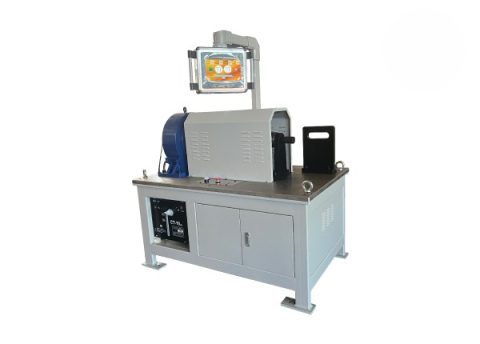
Rolling Accessories & Gauges
TQM Series High-Speed Dynamic Torque Tester
- Torque range: 0.4–500 N·m / 0.3–369 ft·lbf (4 models)
- Display: Live torque, speed and power
- Interface: RS485, records saved on PC
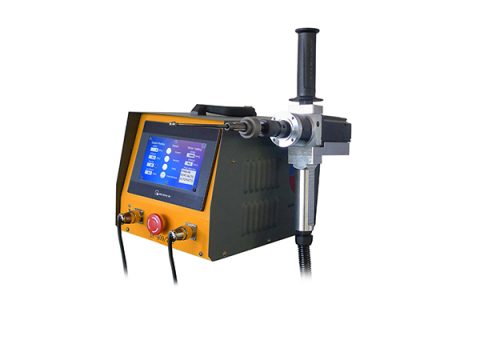
Servo Tube Rolling Systems
SR Series Servo Tube Rolling System
- Torque range: 0.2–77.9 N·m / 0.1–57.5 ft·lbf (depending on motor)
- Tube OD: 6.35–38.1 mm
- Power supply: 200–240 V single-phase
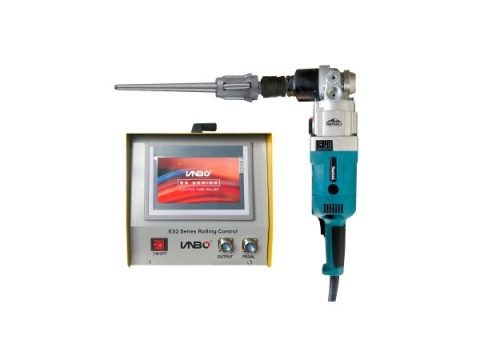
Electric Tube Rollers
ES2 Series Electric Tube Roller
- Torque range: 2–100 N·m / 1.5–73.8 ft·lbf (common motors); 65–200 N·m / 47.9–147.5 ft·lbf with the ES2-57 motor
- Configuration: ES2 controller + electric motor (motors shared with the earlier ES series)
- Control: Touch screen with rolling records
Talk to an engineer
Tell us about your project
We'll recommend the equipment, estimate the schedule and, if required, provide a field crew.